Pet & Plant Coexistence Guide
Create a harmonious home where your beloved pets and beautiful plants can thrive together safely. Learn essential strategies for placement, prevention, and peaceful coexistence.
Preventing Plant Nibbling
Understanding Pet Behavior
Cats and dogs may be drawn to plants for various reasons: curiosity, boredom, or nutritional needs. Understanding why your pet interacts with plants helps you create better prevention strategies.
Provide alternative activities like puzzle toys, scratching posts, or designated pet grass to redirect their attention away from your houseplants.
Training Techniques
Use positive reinforcement to teach pets that plants are off-limits. Gentle redirection and consistent boundaries help establish respect for your green spaces.
Consider using pet-safe deterrents like citrus scents or placing aluminum foil around plant bases as temporary training aids.
Safe Potting Materials
Recommended Materials
Choose pots made from ceramic, terracotta, or food-safe plastic. Avoid containers with lead-based glazes or treated wood that could be harmful if chewed.
Ceramic & Terracotta
Durable and non-toxic, these materials are safe even if pets interact with them. Ensure proper drainage to prevent standing water.
Food-Safe Plastic
Lightweight and affordable, food-grade plastic containers are safe for pet-friendly homes. Look for BPA-free options.
Natural Fiber Baskets
Woven baskets with liners can be beautiful and safe. Ensure the liner prevents soil contact and water leakage.
Strategic Plant Placement
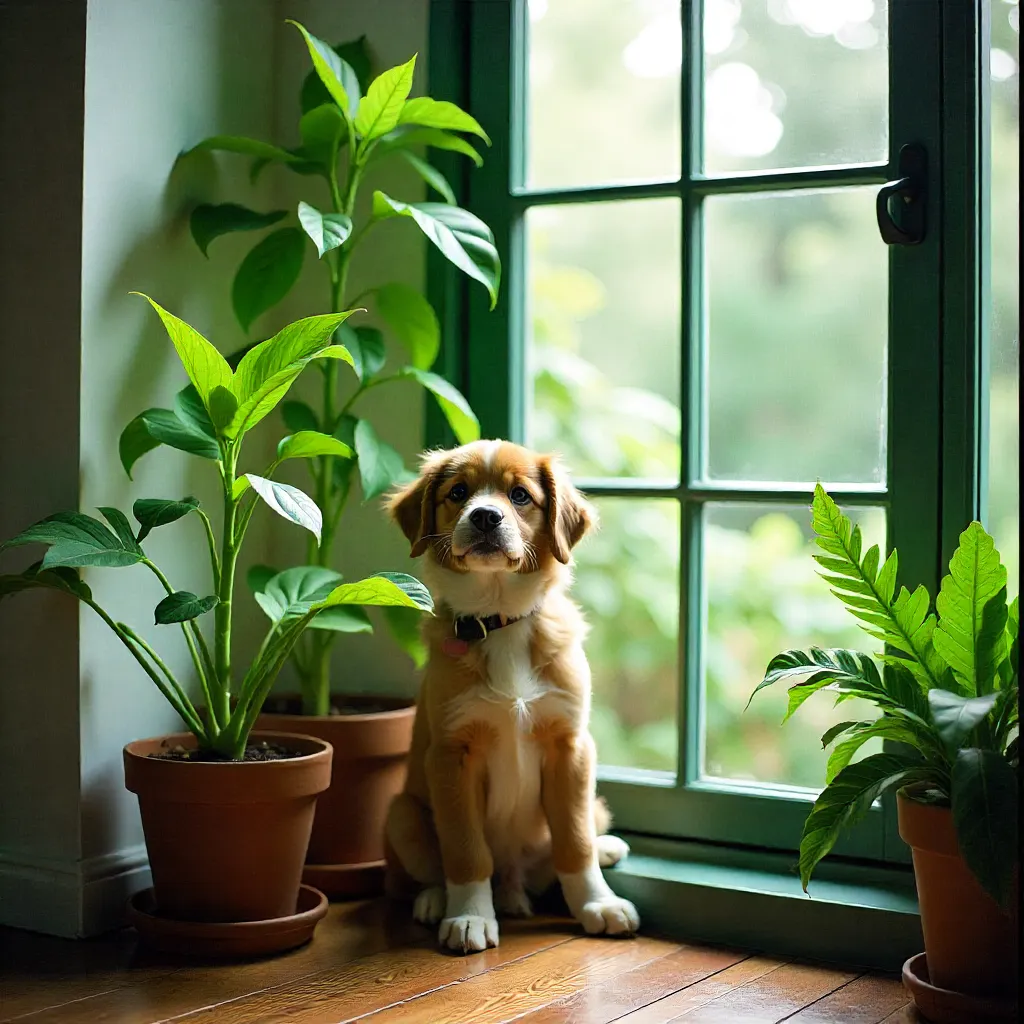
High Shelves & Hanging Planters
Elevate plants beyond your pet's reach. Use wall-mounted shelves, ceiling hooks, or tall plant stands. Ensure shelves are securely anchored to prevent accidents.
Hanging planters are excellent for trailing plants like spider plants or pothos, keeping them safely out of reach while adding vertical interest to your space.
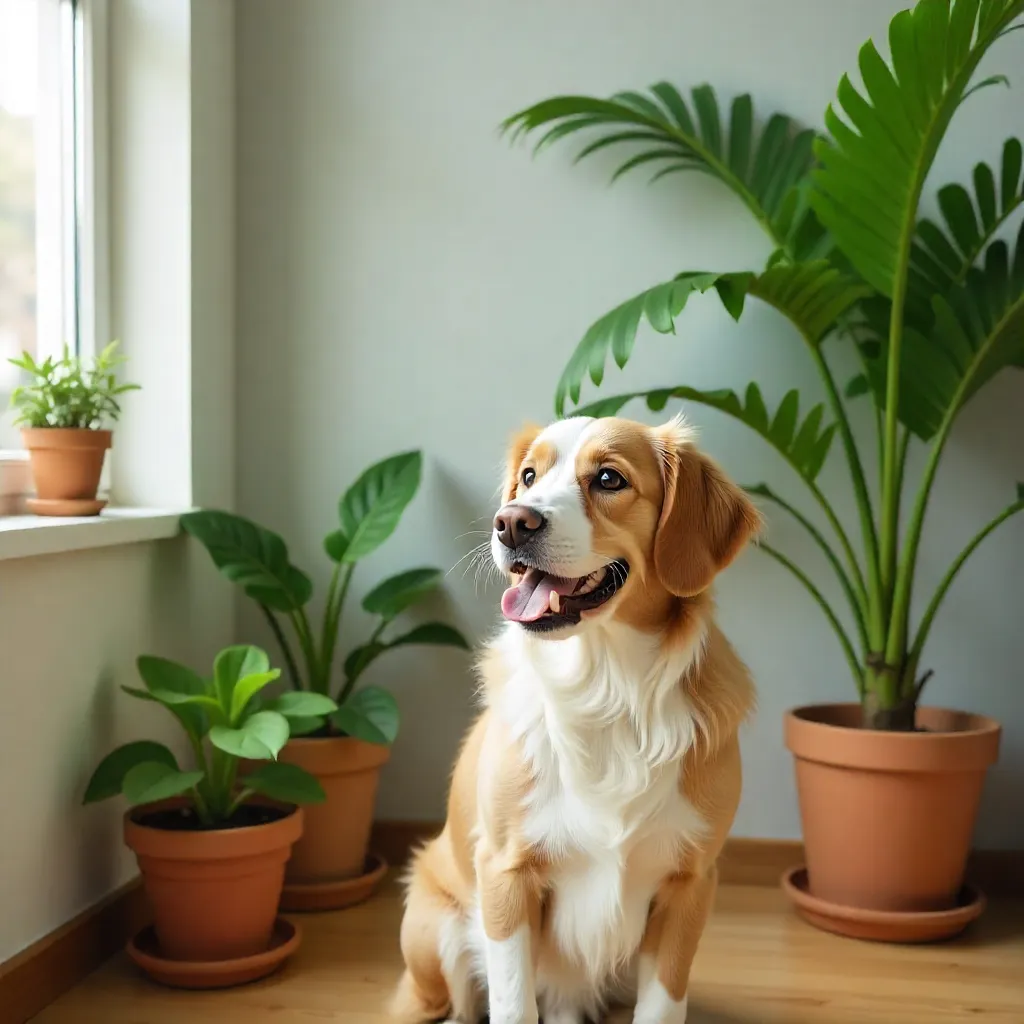
Designated Plant Zones
Create specific areas where plants are grouped together, making it easier to monitor and protect them. Use room dividers or furniture to create natural barriers.
Consider placing plants in rooms that pets don't frequent as often, or use baby gates to create pet-free zones during certain times.
Understanding Pet Jump Zones
Cats can typically jump 5-6 feet high. Place plants above this height or in areas cats cannot access.
Dogs vary by size, but most can reach 2-4 feet. Place plants on surfaces above their standing reach.
For maximum safety, place plants at least 6 feet high or in hanging planters at ceiling level.
Creating Distraction-Free Zones
Pet-Friendly Alternatives
Provide pets with their own safe plants to interact with. Cat grass, wheatgrass, or pet-safe herbs can satisfy their natural urge to nibble on greenery.
Place these pet-friendly options in accessible locations to redirect attention away from your decorative houseplants.
Environmental Enrichment
Keep pets mentally and physically stimulated with toys, puzzles, and regular playtime. A well-exercised pet is less likely to seek entertainment from your plants.
Consider creating a dedicated play area for your pets that's separate from your plant collection.
Plants to Avoid
While we focus on safe plants, it's important to be aware of common toxic plants that should be avoided in pet-friendly homes.
Common Toxic Plants
Lilies, sago palms, azaleas, and dieffenbachia are among plants that can be harmful to pets. Always research before bringing new plants into your home.
Safe Alternatives
For every toxic plant, there's a safe alternative. Our plant library features only verified pet-safe options that provide similar aesthetic appeal.
When in Doubt
If you're unsure about a plant's safety, consult with a veterinarian or refer to our comprehensive plant library for verified safe options.
Maintenance Tips
Regular Monitoring
Check your plants regularly for signs of pet interaction, such as chewed leaves or disturbed soil. Early detection helps prevent issues.
Clean Up Fallen Leaves
Promptly remove any fallen leaves or plant debris. Even safe plants can cause digestive upset if consumed in large quantities.
Secure Heavy Containers
Ensure large or heavy plant containers are stable and won't tip over if bumped by pets. Use plant stands with wide bases for stability.
Water Management
Avoid leaving standing water in saucers, as pets may be tempted to drink it. Use well-draining soil and containers with proper drainage.